
A loft can look tidy and well insulated while the roof structure behind it is quietly getting worse. That is why roof timber rot after spray foam causes so many problems for homeowners – the damage is often hidden until a surveyor raises concerns, a mortgage is refused, or the roof starts showing clear signs of moisture trouble.
This is not just a question of insulation performance. It is a roofing issue, a ventilation issue and, in many cases, a property sale issue. Once spray foam is fixed directly to the underside of tiles or felt and over the rafters, it can make proper inspection difficult and can trap conditions that allow timber to stay damp for too long.
Why roof timber rot after spray foam happens
Timber rot does not appear simply because spray foam exists. The problem usually comes from what happens to moisture movement and roof ventilation once the foam has been applied.
A traditional pitched roof relies on the ability to manage moisture. Small amounts of water vapour can move from the home into the loft space, and minor water ingress from ageing tiles, underlay defects or flashing failures needs a route to dry out. When spray foam is applied tightly against the roof covering, that drying path can be reduced or removed.
If moisture gets into the roof structure and cannot escape, rafters, battens and sarking elements can remain damp for long periods. Timber does not need to be soaking wet to deteriorate. Sustained elevated moisture content is enough to create conditions where fungal decay begins.
Closed-cell and open-cell foams present different issues, but both can become a problem if they are badly specified, poorly installed or used on a roof that already has defects. Closed-cell foam is more rigid and less vapour permeable, so it can be especially unforgiving where moisture is already present. Open-cell foam is softer and more breathable, but that does not mean it is risk-free. If the roof covering leaks or ventilation is inadequate, moisture can still become trapped around the timber.
The real problem is often hidden
One reason surveyors and lenders are so cautious is simple, they cannot easily inspect the roof structure when spray foam is bonded to it. If the rafters are covered, the underfelt is obscured and the backs of tiles cannot be seen, there is no straightforward way to assess condition without invasive work.
That matters during a sale or remortgage. A lender wants confidence that the roof is structurally sound and that there is no hidden deterioration. Spray foam removes visibility, and hidden timber rot is one of the main risks behind that concern.
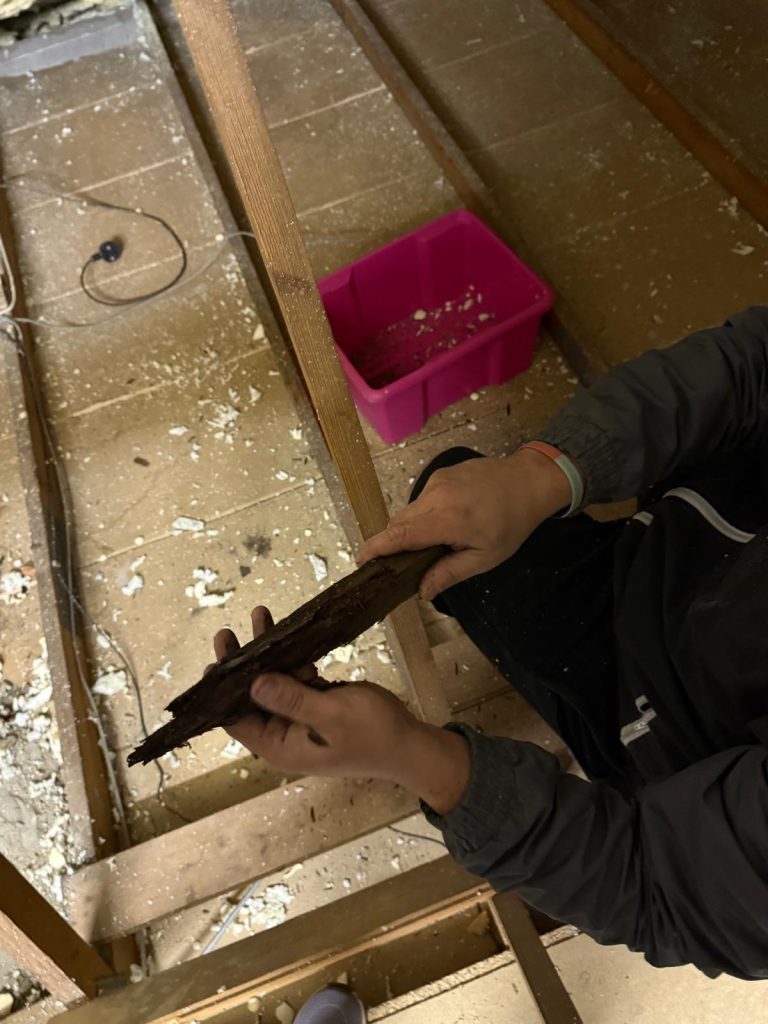
For homeowners, this often comes as a shock. They may have had spray foam installed to improve warmth and lower heating bills, only to find that years later it has become a barrier to selling the house. In some cases the survey flags the foam before any rot is confirmed. In others, once removal starts, decayed timbers are uncovered underneath.
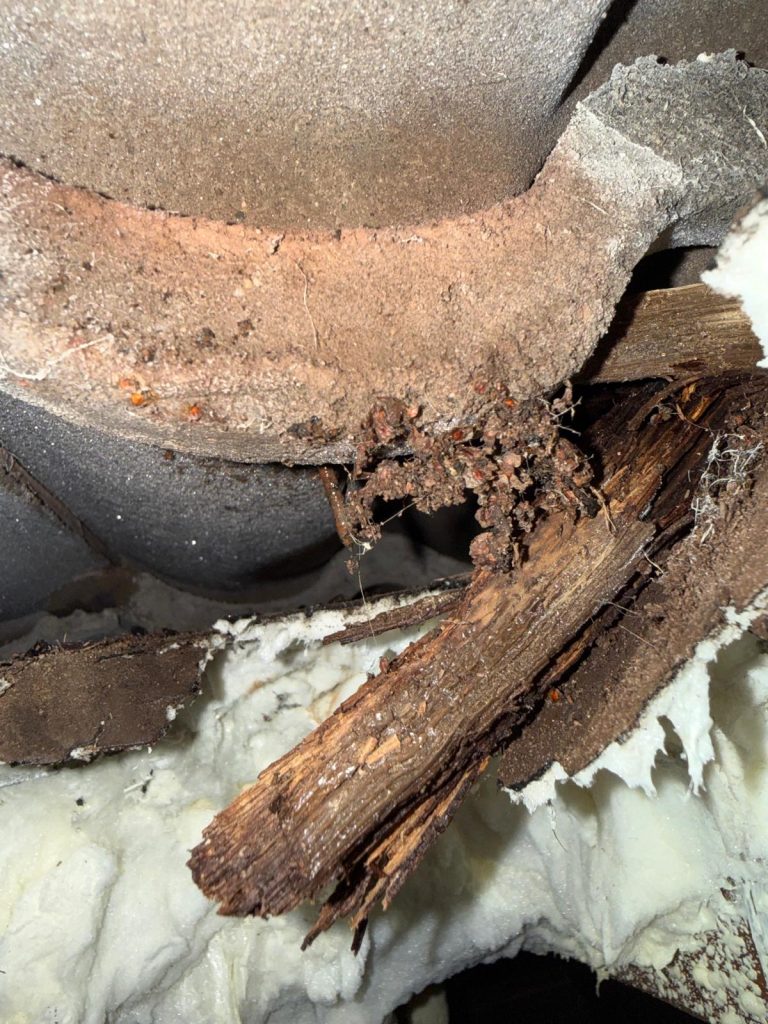
Signs there may be timber rot in the roof
Not every property with spray foam has rotten timbers, and it is important to be balanced about that. Some roofs remain sound. But where moisture has been trapped, there are warning signs worth taking seriously.
Inside the loft, a musty smell, dark staining, damp patches, discolouration on rafters or visible fungal growth can all point to a problem. In the rooms below, you might notice unexplained damp marks on ceilings or persistent condensation issues. Externally, slipped tiles, failing ridge lines or ageing flashings can increase the chance of water getting into a roof that can no longer dry properly.
The difficulty is that many homeowners cannot see the critical areas because the foam is covering them. That is why a proper survey matters more than guesswork. If a lender has already queried the spray foam, or if there are signs of roof leaks, it is sensible to assume further inspection is needed rather than hoping for the best.
How spray foam can make a small roof defect much worse
An older roof can often tolerate minor defects for a time because it has some ability to breathe and dry. A cracked tile, a pinhole in felt, or slight wind-driven rain ingress may not immediately lead to serious damage if the structure dries between wetting events.
Once spray foam is added beneath the covering, the situation changes. Moisture that would once have evaporated may remain locked in around battens and rafters. That means a defect that might previously have been manageable can become a long-term damp source. Over time, decay develops where the timber remains persistently wet.
This is one reason why blanket advice rarely helps. The age of the roof, the type of underlay, the roof pitch, the condition of the coverings and the type of foam all influence risk. It depends on the property. But if spray foam has been applied to a roof with existing wear, the chance of hidden deterioration is much higher.
Why lenders and surveyors take it seriously
Mortgage lenders are not acting out of caution for the sake of it. Their concern is that they are being asked to lend against a property where the roof structure cannot be properly assessed. If rot is present, repair costs can be significant. If the timber has lost strength, the issue is not cosmetic.
Surveyors know that roof timber rot after spray foam can remain concealed until removal exposes the true condition. For that reason, many reports recommend specialist inspection and often removal of the foam to allow the timbers to be checked fully. Until that happens, the property may be valued with caveats or considered unsuitable for standard lending.
For a homeowner in the middle of a sale, this can become urgent very quickly. Chains are delayed, buyers pull back and remortgage applications stall. The problem is no longer just about insulation. It becomes a financial issue tied directly to the property’s marketability.
What the right fix looks like
If there is concern about hidden decay, the practical route is usually to remove the spray foam, inspect the roof timbers thoroughly and then deal with any defects found. Anything less can leave the core problem unresolved.
Removal needs to be done carefully. The aim is not simply to strip out the foam but to expose the rafters and roof covering enough to assess condition properly. Once visible, the timbers can be checked for moisture damage, rot and any loss of structural integrity. If there are localised defects, repairs may be enough. If the roof has deteriorated more widely, more extensive roofing work may be the sensible option.
This is where an end-to-end contractor has a clear advantage. Homeowners often do not need separate firms for foam removal, timber inspection, roof repair and replacement insulation. They need one process that identifies the issue and puts the roof back into a mortgage-friendly, serviceable condition.
Where removal is completed, many homeowners also want proof that the work has been carried out correctly. A removal certificate can help demonstrate that the spray foam has been taken out and that the roof structure is inspectable again, which is often valuable when dealing with surveyors, lenders and prospective buyers.
What should replace spray foam?
Once the foam is removed, the next step should not be another quick fix. The loft needs insulation that suits the property and allows the roof to perform properly.
For many homes, loft floor insulation is the safer and more appropriate approach because it keeps the roof structure cold and ventilated as intended. In older properties, breathable materials can be a better fit. In newer homes, foil-based systems with the correct vapour control approach may be suitable when properly designed. The key point is that insulation should improve energy efficiency without compromising the roof timbers.
That balance matters. Homeowners are rightly concerned about heating bills, but reducing heat loss should not come at the expense of trapping moisture where it can damage the structure.
When to act
If you have spray foam in the loft and are trying to sell, remortgage or buy time before a survey, waiting rarely improves the situation. The same applies if you have noticed leaks, damp smells or signs of deterioration around the roof.
The sensible next step is a proper survey by a specialist who understands spray foam removal, timber condition and roofing work together. That gives you a clear picture of whether the roof is sound, whether rot is present and what level of repair is actually needed.
For homeowners across the Midlands, that joined-up approach is usually what makes the difference between an ongoing problem and a resolved one. A rushed opinion can leave too many gaps. A proper inspection gives you facts, a workable plan and a route forward.
If your loft insulation has turned into a roof problem, deal with the roof first and the energy efficiency second. A warm home matters, but a dry, inspectable and structurally sound roof matters more.


