
A sale can look straightforward until the survey comes back with one phrase that changes everything – spray foam insulation in the roof. For many homeowners, spray foam removal mortgage issues only become obvious when a buyer’s lender refuses to proceed, a remortgage stalls, or a surveyor says the roof structure cannot be inspected properly.
This is not a minor paperwork problem. It affects whether a property can be sold, refinanced or insured on normal terms. In some cases, it also points to a genuine roofing issue behind the insulation itself.
Why spray foam causes mortgage problems
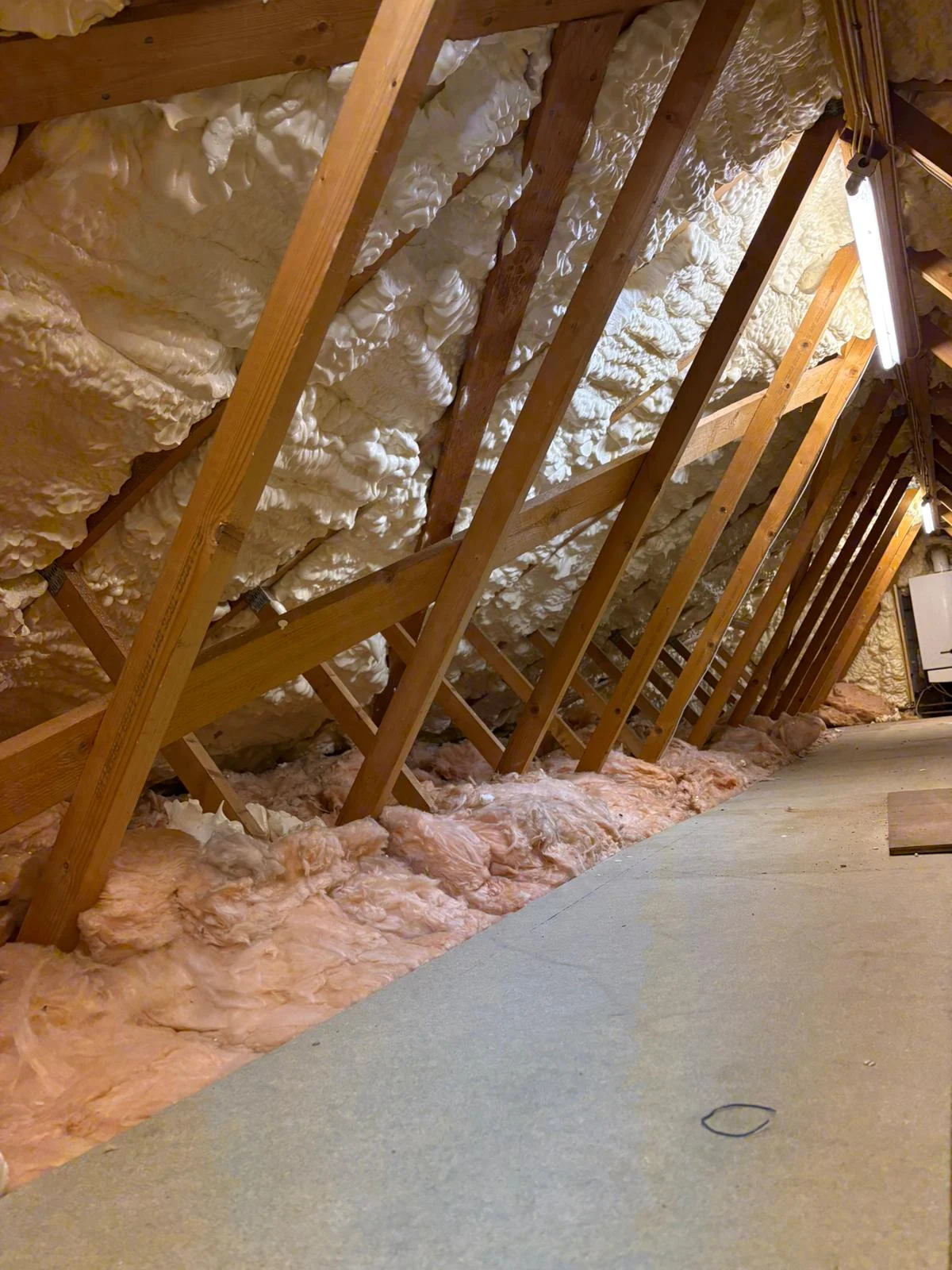
The main issue is access and visibility. When spray foam is applied directly to the underside of roof tiles or felt and over rafters, it can stop surveyors from properly checking the condition of the roof timbers, the underside of the covering, and signs of leaks or deterioration.
From a lender’s point of view, that creates uncertainty. If the roof cannot be inspected, the risk cannot be assessed accurately. Mortgage providers tend to be cautious about anything that might hide decay, condensation damage or future structural costs. Even if the roof appears sound from outside, the inability to inspect it internally is often enough to trigger concern.
Surveyors are also alert to the possibility that spray foam has affected ventilation. Traditional loft construction relies on airflow to help manage moisture. If foam has altered that balance, condensation can build up over time. In the worst cases, that can contribute to timber decay, mould growth or damage to roofing felt.
Not every property with spray foam will have visible damage. That is the nuance many homeowners find frustrating. The problem is that lenders and surveyors are not judging only what they can see today. They are also judging what may be hidden and what may happen later.
The spray foam removal mortgage issues surveyors usually flag
When spray foam appears in a valuation or homebuyer survey, the wording may vary, but the concerns are usually consistent. Surveyors often state that the roof structure is concealed, that the long-term condition of timbers cannot be confirmed, or that specialist inspection and possible removal are recommended.
That wording matters because lenders rely heavily on surveyor comments. A cautious comment can lead to retention, further inspection requirements or a straight refusal. Buyers then pull back, sellers are left scrambling for answers, and chains can start to wobble.
Open-cell and closed-cell foam are not always treated in exactly the same way, but both can create problems. Closed-cell foam is generally more rigid and can be harder to remove. Open-cell foam may be softer, but it can still obstruct inspection and raise ventilation concerns. The question is not simply what type it is. It is how it was installed, what it is covering, and whether the roof can still be assessed properly.
Why lenders are cautious, even if the foam was sold as a benefit
Many homeowners had spray foam installed in good faith. It was often marketed as a way to improve energy efficiency, reduce draughts and make the loft space more comfortable. At the point of installation, the sales message may have focused on warmth and savings rather than future mortgage implications.
Lenders look at the property differently. They are not buying insulation benefits. They are assessing the property as security for a loan. If a roof’s condition cannot be verified, or if there is concern that moisture has been trapped against timbers, the lender may decide the risk is outside policy.
This is why homeowners can feel caught out. The foam may have been installed years ago, and no practical issue may have been noticed day to day. Yet the moment a sale or remortgage depends on an external assessment, the problem becomes urgent.
What happens if you try to sell without dealing with it
Sometimes a sale can still go through, particularly if a cash buyer is involved or a lender is willing to consider specialist evidence. But in the mainstream mortgage market, unresolved spray foam often narrows the field of buyers significantly.
That reduction in buyer pool has a direct effect. Sales can fall through, agreed prices can be renegotiated downward, and properties can sit on the market while the owner tries to work out the next step. A remortgage applicant may face similar frustration if the existing lender’s deal is ending and a new product is needed.
There is also the practical issue of timing. Many sellers only discover the problem once a buyer has already spent money on searches, surveys and mortgage application fees. At that stage, delays are expensive and stressful for everyone involved.
Does spray foam always need to be removed?
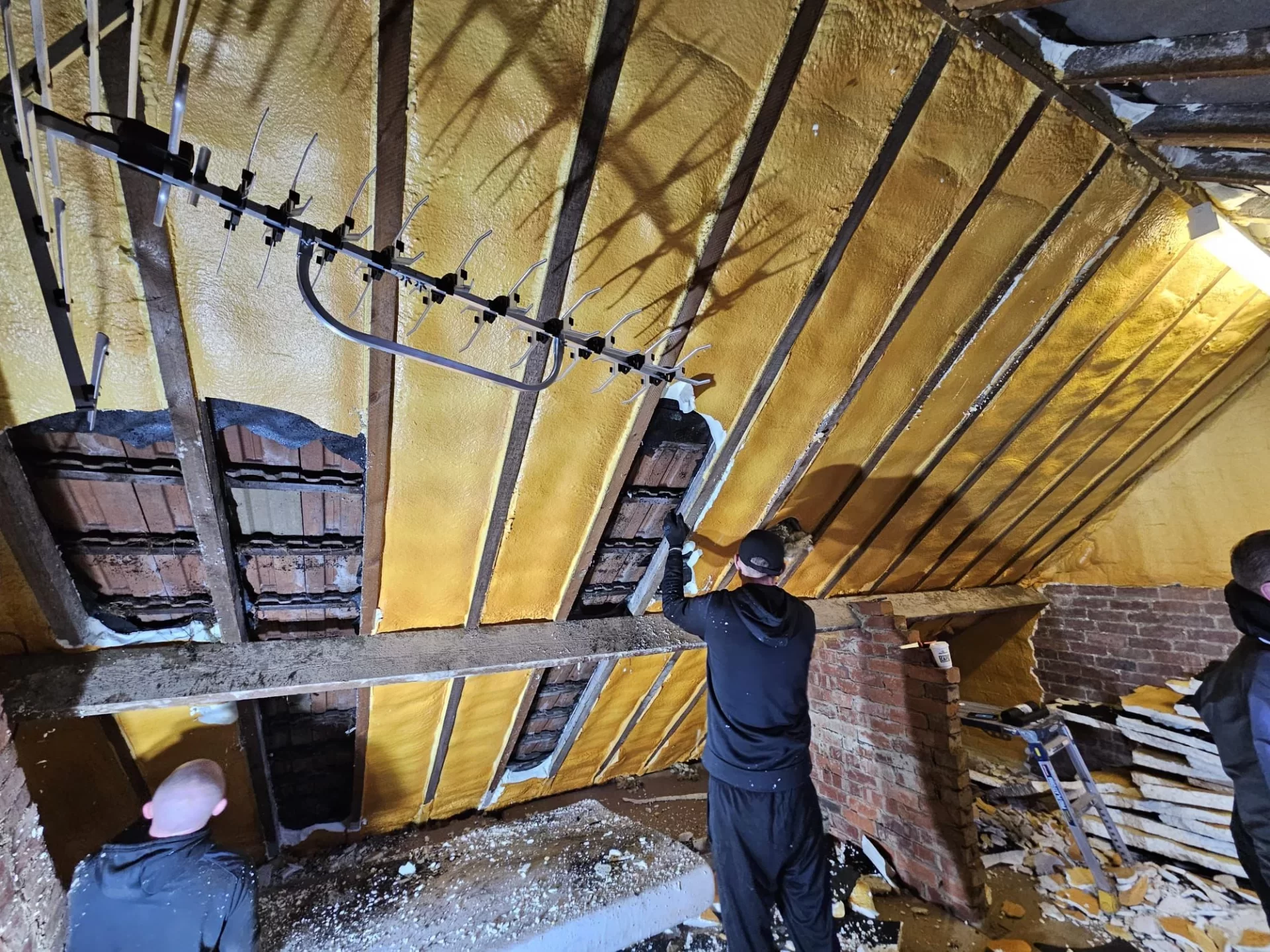
In practice, if mortgage approval is being blocked because of roof spray foam, removal is often the clearest route forward. There are edge cases where additional reports may help, but homeowners should be realistic. If a lender wants the roof exposed for inspection, partial reassurance rarely solves the underlying issue.
Removal is also sensible where there are signs of trapped moisture, decayed timbers, damaged felt or poor previous workmanship. Once the foam is off, the roof structure can be properly assessed. That gives surveyors, lenders and homeowners a factual basis for decisions rather than guesswork.
It does depend on the property. Older homes may have different ventilation patterns, different roofing materials and a different risk profile from newer builds. That is why a proper survey matters before any recommendation is made.
What proper removal should include
Spray foam removal is not just about stripping material off the roof and walking away. If the mortgage issue is to be resolved properly, the process needs to expose the roof structure, identify any timber or roofing problems underneath, and document what has been done.
A specialist contractor should assess whether the foam is open-cell or closed-cell, how heavily it has bonded to the roof, and whether removal is likely to reveal felt failure, rafter damage or other defects. Once removed, the timbers need to be inspected carefully. If repairs or treatment are required, those works should be dealt with before the loft is considered ready for onward survey.
Documentation matters as well. Homeowners often need evidence that the spray foam has been removed and that the roof can now be inspected in the normal way. A Spray Foam Removal Certificate can be useful in demonstrating that the issue has been addressed professionally.
Why insulation should be reconsidered after removal
One common worry is that removing spray foam will leave the home colder or less energy efficient. That concern is understandable, but the answer is not to replace one problematic setup with another unsuitable one.
The better approach is to insulate the loft in a way that suits the property and preserves roof health. For some older homes, breathable sheep wool can be a sensible option because it works with the building fabric rather than against it. For newer properties, multi-foil systems such as SuperFOIL may be more appropriate when installed with the right vapour control measures.
The key point is that insulation and roof ventilation need to work together. A solution that improves thermal performance but creates condensation risk is not a good solution. This is where using one contractor who understands removal, roofing and replacement insulation makes a genuine difference.
When roof repairs or replacement are part of the answer
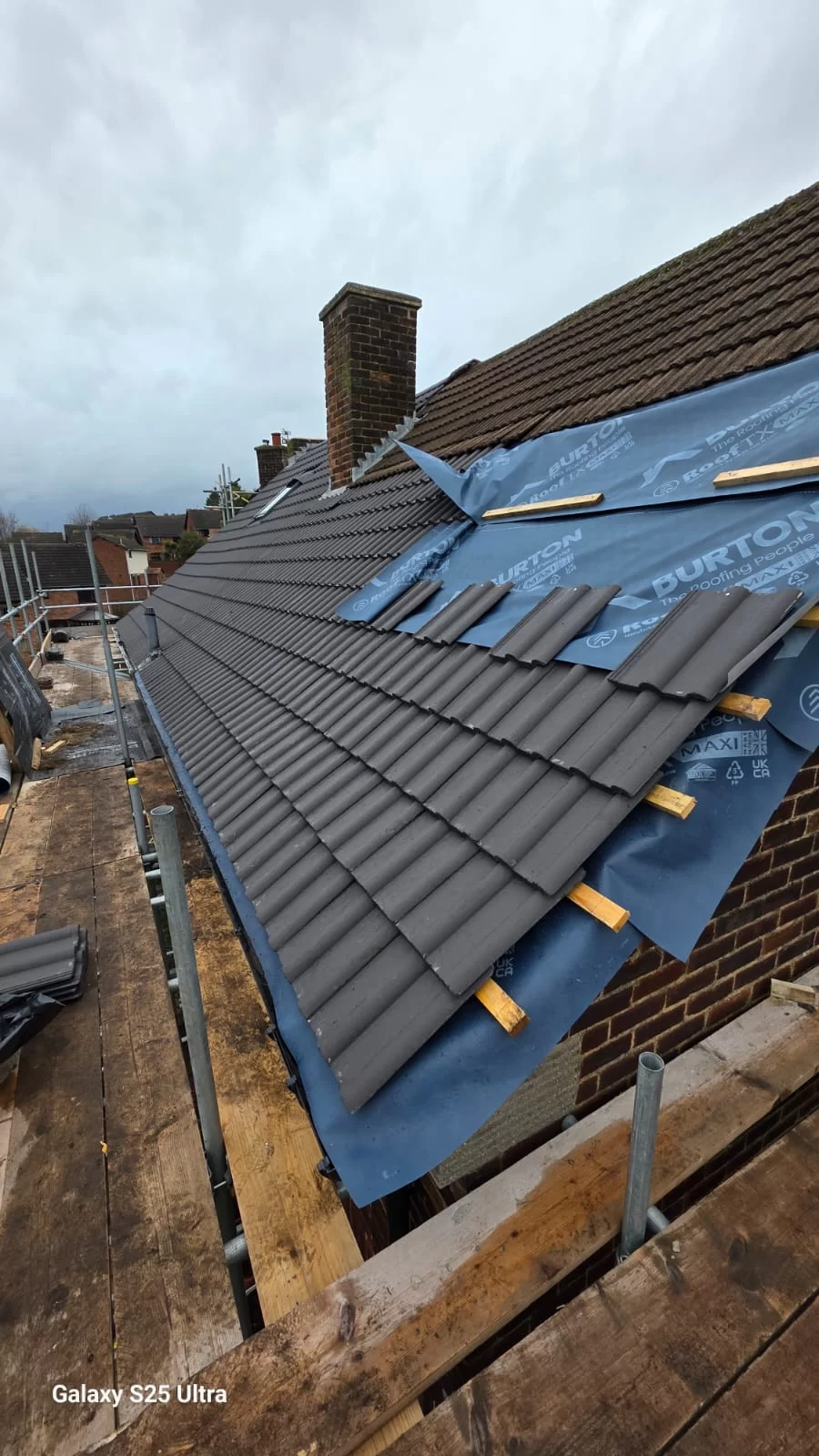
Once spray foam is removed, some roofs turn out to be in reasonable condition. Others reveal problems that had been hidden for years. Felt may be torn or degraded. Rafters may show signs of damp or early rot. In more serious cases, larger roofing works are the only sensible next step.
That does not mean every job becomes a full roof replacement. Sometimes localised timber repairs, tile work or ventilation improvements are enough. But where the roof has been materially affected, patching around the issue can be a false economy.
A practical contractor will tell you which camp your property falls into. That honesty matters, especially when the goal is not only to satisfy a current buyer or lender but to avoid the same problem returning later.
Choosing a contractor for spray foam removal mortgage issues
This is one of those jobs where specialism matters. Homeowners need more than a general insulation installer. They need a contractor who understands why lenders object, how surveyors report on concealed roofs, and what needs to be put right for the property to move forward.
That means looking for a company that can survey the roof properly, remove both open-cell and closed-cell foam, inspect exposed timbers, carry out roofing repairs where needed, and provide clear evidence of completed work. In the Midlands, that end-to-end approach is exactly why some homeowners turn to Next Generation Insulation rather than trying to coordinate multiple trades.
Just as important is clear communication. If you are in the middle of a sale or remortgage, you need straightforward answers on likely scope, likely findings and realistic timescales. Vague reassurance is not enough when a lender’s deadline is approaching.
If spray foam has been flagged on your property, treat it as a problem that can be solved, not a dead end. The right survey and the right remedial work can turn an uncertain roof back into one a lender can assess with confidence.


